
 CN

What Are Jaw Crusher Jaw Plates and What Do They Do?
Learn how fixed and moving jaw plates crush material, how manganese steel work hardens, and what to check when selecting, ordering and maintaining replacement jaw plates.
The function of jaw plates
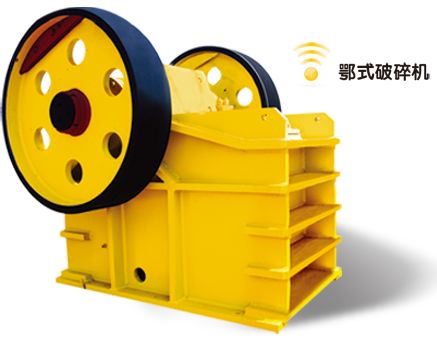
Jaw plates, also called jaw dies or tooth plates, are the principal wear surfaces in a jaw crusher. A fixed plate and a moving plate form the crushing chamber. As the moving jaw approaches the fixed jaw, the feed is subjected to compression and associated splitting forces until it breaks.
Because the plates contact the feed directly, their condition affects crushing efficiency, product size and maintenance requirements. They should be treated as model-specific components, not as interchangeable plates selected by overall size alone.
Why material and work hardening matter
High manganese steel is widely used for jaw plates because it can work harden under suitable impact and compressive loading while retaining a tough interior. The amount of work hardening depends on the actual duty; it is not a fixed hardness increase for every installation.
Material examples include ZGMn13, chromium-alloyed manganese grades such as ZGMn13Cr2, and higher-manganese grades such as Mn18 and Mn18Cr2. A higher manganese content does not automatically make a plate the best choice. Feed hardness, abrasiveness, particle size, crusher size and loading all need to be considered.
Casting, heat treatment and fit
Casting quality, the specified heat treatment and dimensional control are important to performance. The required process should be matched to the selected alloy, plate thickness and approved drawing.
When ordering, identify the fixed or moving position, tooth profile, part number, mounting arrangement, bolt holes and drawing revision. Confirm the material grade and agreed inspection requirements before production.
Custom jaw plates from Red Apple Casting
Zhangjiakou Red Apple Machinery Equipment Manufacturing Co., Ltd., trading as Red Apple Casting, supplies wear-resistant castings for mining, cement and building-material applications. Its product range includes jaw plates, cone crusher mantles and bowl liners, and crusher hammers.
Drawings or physical samples can be used to assess a replacement part. Provide the machine model, feed characteristics and previous wear pattern so that material and fit can be reviewed together.
Maintenance and replacement
Keep the feed distribution as even as the machine design allows and follow the equipment instructions for handling tramp metal. Inspect plate wear, cracks and fastening condition at the recommended intervals.
Reverse or exchange a plate only where the equipment design and maintenance procedure permit it. Base replacement decisions on the remaining profile, minimum allowable thickness, product size and inspection findings rather than on a universal service-life promise.
For equipment fit, material selection and custom casting enquiries, see our wear parts FAQ or contact Red Apple Casting.